

Pathani Kurta Style Guide: From Traditional to Modern Looks

Few garments manage to feel both effortless and commanding at the same time - the pathani kurta is one of them. Originating from the North-West Frontier region and popularized across South Asia, this loose-fitting, straight-cut kurta has quietly become one of the most versatile pieces in a modern man's wardrobe. Whether it's a festive gathering, a casual weekend outing, or a semi-formal event, a well-chosen pathani kurta for men can carry the look effortlessly. Here's a complete guide to understanding its roots, its modern variations, and how to style it right.
What Exactly Is a Pathani Kurta
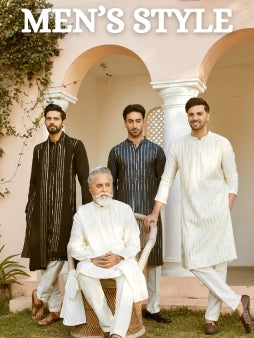
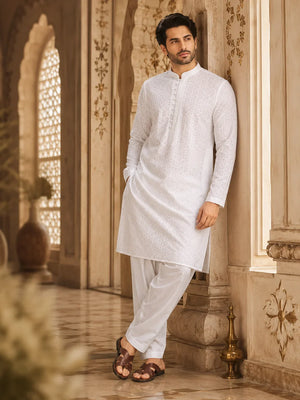
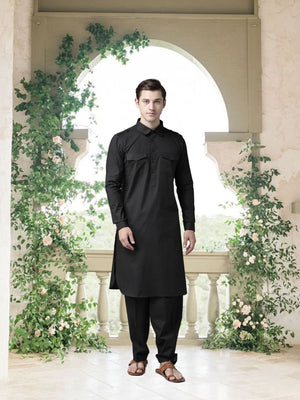
A traditional pathani kurta is characterized by its relaxed, straight silhouette, side slits, a mandarin or band collar, and a placket that usually has a few buttons at the top. Unlike the fitted kurtas common in Indian festive wear, the pathani style is deliberately loose through the body, offering comfort without compromising on structure. It's traditionally paired with a matching pajama or salwar, creating a clean, monochrome silhouette from shoulder to ankle.
The fabric choice historically leaned toward cotton and linen for everyday wear, and richer materials like silk blends or jacquard for festive occasions. That range is exactly why the pathani kurta has aged so well - it was never a single rigid style, but a template that adapts to fabric, cut, and occasion.
The Traditional Pathani Look
In its most classic form, the pathani kurta is worn long - often falling below the knee - with minimal embellishment. The beauty lies in the cut and the fabric drape rather than embroidery or print. Earthy tones like beige, olive, rust, and off-white dominate traditional wardrobes, often finished with a simple Nehru-style collar and matching churidar or straight pajama.
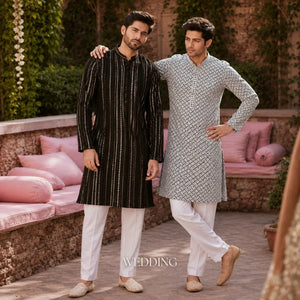
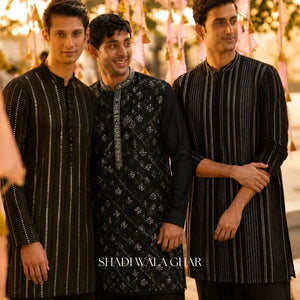
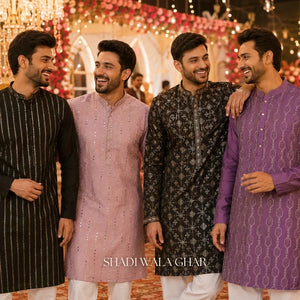
This look remains a staple for festive occasions like Eid, weddings, and religious functions, particularly in regions with strong Afghan and Central Asian cultural influence. It's a look that photographs beautifully in group settings - family functions, groom's-side gatherings, or festive prayers - precisely because of its understated elegance.
Modern Reinterpretations
Over the last decade, designers have taken the pathani silhouette and reworked it for a younger, more fashion-forward audience without losing its core identity. Some of the most popular modern shifts include:
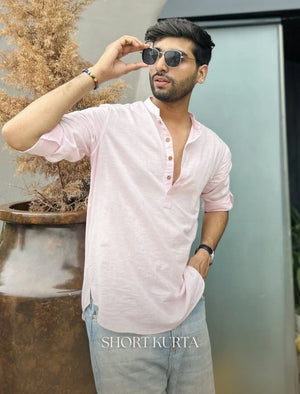
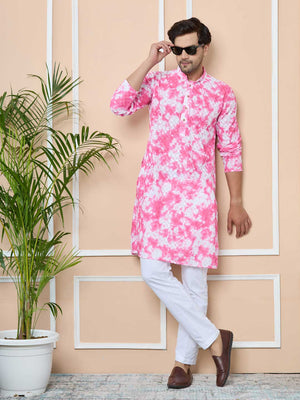
Shorter Hemlines - Instead of the traditional knee-length or longer cut, many modern pathani kurtas now fall mid-thigh, making them easier to pair with jeans or trousers instead of a matching pajama.
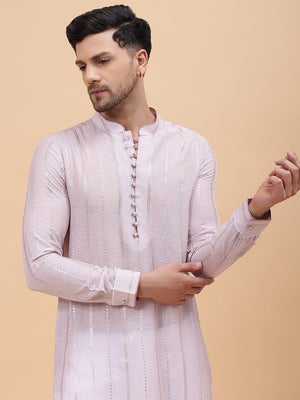
Fitted Silhouettes - While the original design is deliberately loose, contemporary versions often introduce a slightly tapered fit through the chest and shoulders, giving the garment a more structured, athletic look without abandoning the straight-cut DNA.
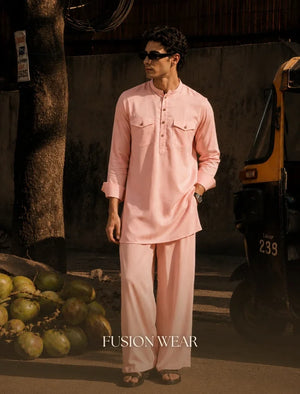
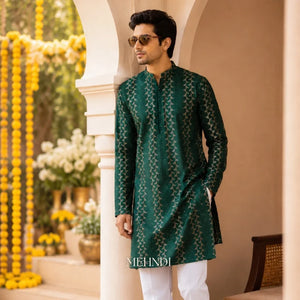
Fusion Fabrics and Prints - Where traditional pathani kurtas favored solid, muted tones, today's versions experiment with subtle textures, tone-on-tone jacquard, linen blends, and even minimal geometric prints - all while keeping the collar and placket details intact.
Indo-Western Pairings - Perhaps the biggest shift is in styling. Modern pathani kurtas are increasingly paired with denim, chinos, or even structured joggers, turning what was once strictly festive wear into something that works for a casual brunch or a stylish evening out.
How to Style a Pathani Kurta for Different Occasions
Festive and Traditional Events - Stick closer to the classic silhouette: full-length kurta, matching pajama or churidar, and minimal accessories. A simple embroidered stole or a traditional cap can elevate the look without overpowering it.
Semi-Formal Gatherings - Opt for a mid-length pathani kurta in a solid, richer fabric like silk-cotton blends, paired with tailored trousers instead of a traditional pajama. Leather loafers or mojaris work well here, and a well-fitted waistcoat can add a layer of sophistication.
Casual, Everyday Wear - This is where the modern pathani kurta truly shines. A short or mid-length kurta in breathable cotton, paired with fitted jeans and sneakers, creates an easy, contemporary look that still nods to tradition. Rolled-up sleeves and an open collar keep it relaxed rather than formal.
Fabric and Fit: What to Prioritize
When shopping for a pathani kurta for men, fit around the shoulders and chest matters more than length, since the length can be adjusted based on occasion. The garment should sit comfortably without pulling across the back when the arms move, and the side slits should allow easy movement without gaping open.
For hot and humid climates, pure cotton or linen blends are the most practical choice, offering breathability through long festive days. For cooler weather or evening events, silk blends and heavier cotton weaves add richness and drape without sacrificing comfort.
Accessorizing the Look
The pathani kurta's clean lines leave plenty of room for thoughtful accessorizing. A structured Nehru jacket or waistcoat instantly elevates a simple kurta for semi-formal settings. Traditional footwear like mojaris or juttis complements the ethnic silhouette, while loafers or clean sneakers push the look toward modern fusion wear. Keeping jewelry minimal - a simple bracelet or a single ring - tends to work best, letting the garment's structure do the talking.
Finding the Right Pathani Kurta
With so many variations available today - traditional, fitted, short, embroidered, or fusion-styled - the easiest way to find what suits your body type and occasion is to browse a wide range of options before deciding. If you want to see designs across different lengths, fabrics, and colorways, comparing a few styles side by side makes it much easier to identify which silhouette flatters your frame and matches the event you're dressing for.
Final Thoughts
The pathani kurta has managed something rare in menswear: staying rooted in tradition while remaining genuinely adaptable to modern tastes. Whether you're drawn to the timeless, loose-fitting classic or a sharper, fusion-ready reinterpretation, there's a version of this silhouette suited to nearly every occasion. The key is choosing the right fabric, fit, and styling for the moment - and letting the kurta's clean, confident lines do the rest.


